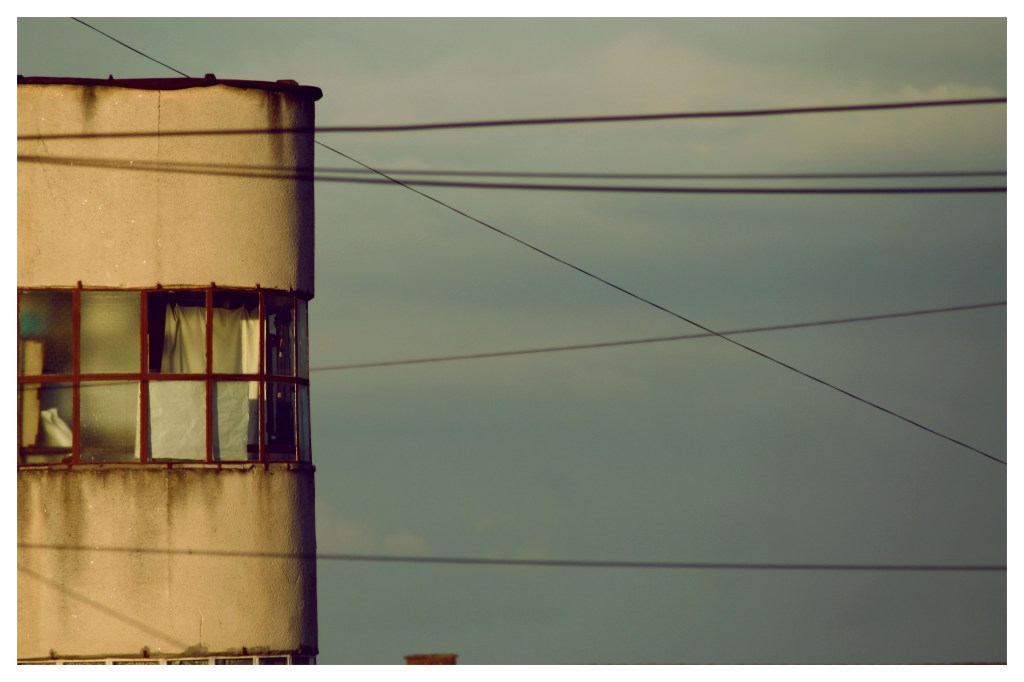
Ten years documenting Cluj-Napoca’s communist-era housing blocks — on film. In 2027, the work travels to Brooklyn.
In 2027, a selection of images from Home(s) will be on view in Brooklyn Bridge Park as part of the Photoville Festival — one of the largest free photography festivals in the United States. It’s a long way from where this project started: a single stairwell in Cluj-Napoca, Romania.
I was born in 1982 in Turda, a small industrial town in Transylvania, into a family of factory workers. My father worked as a Meister in the local glass-engraving trade, and something of his eye — patient, exact, unhurried — found its way into me before I knew what to do with it. I picked up a film camera in the late 1990s, during my university years, and it became the medium I kept returning to, long after my professional path moved into design.
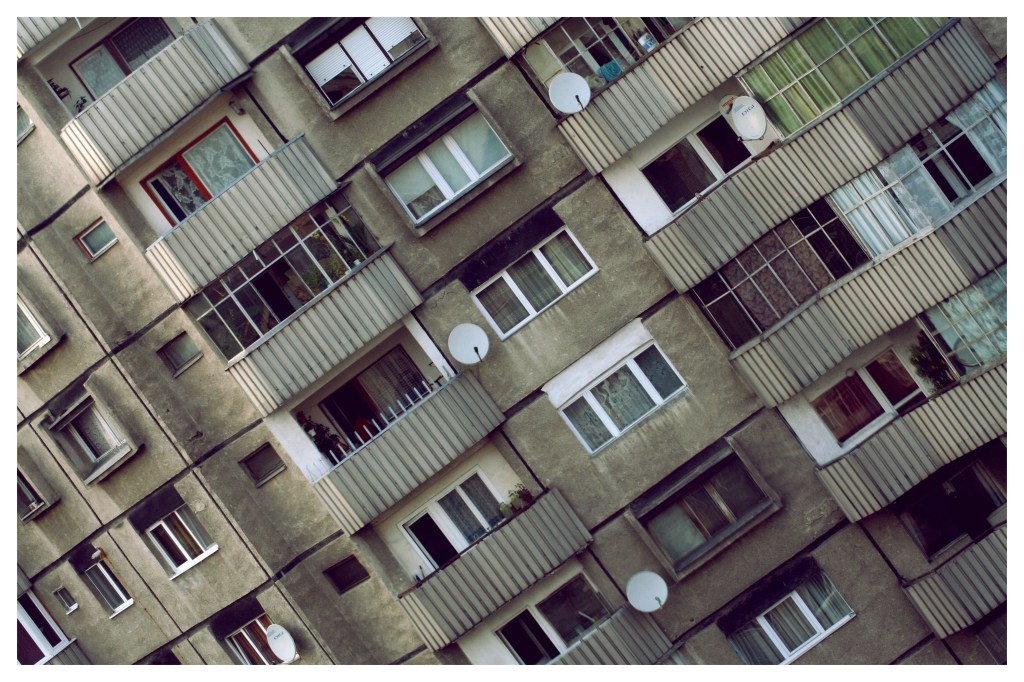
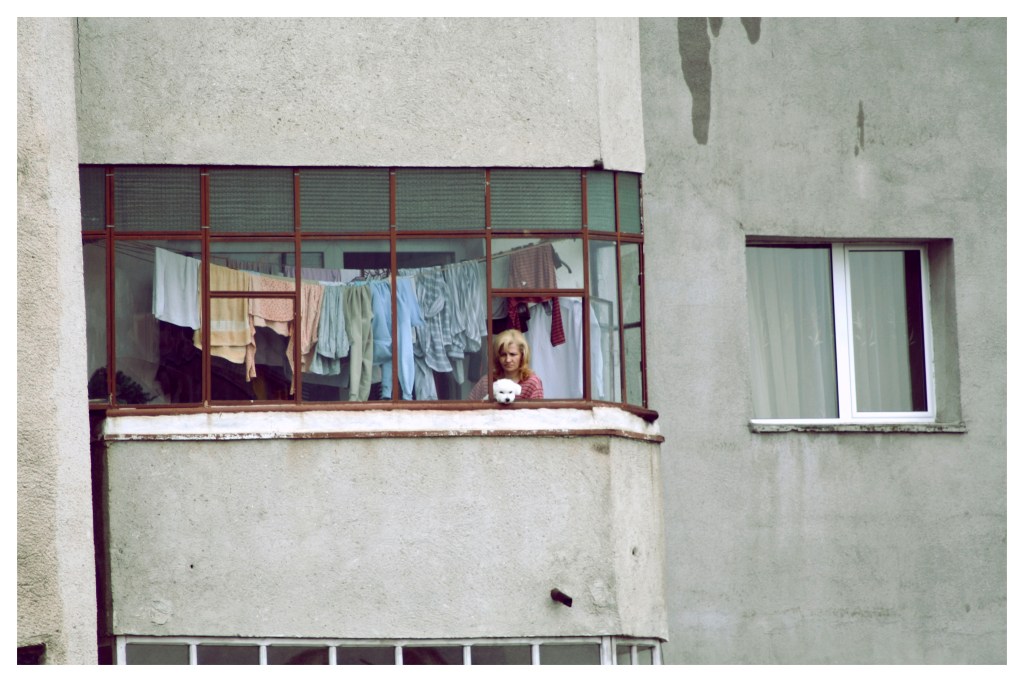
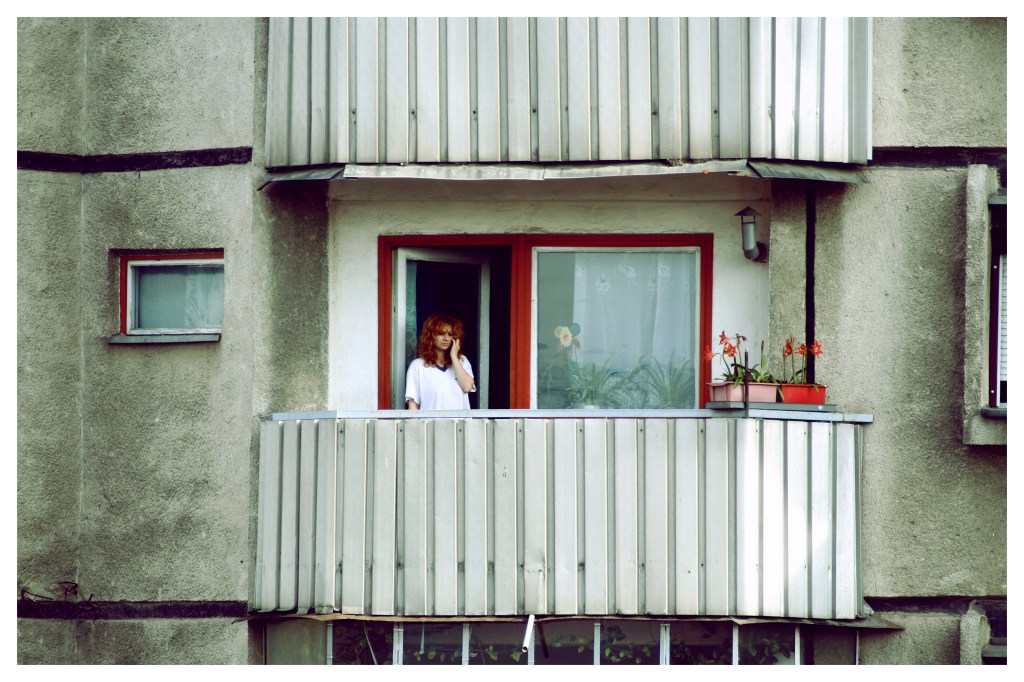
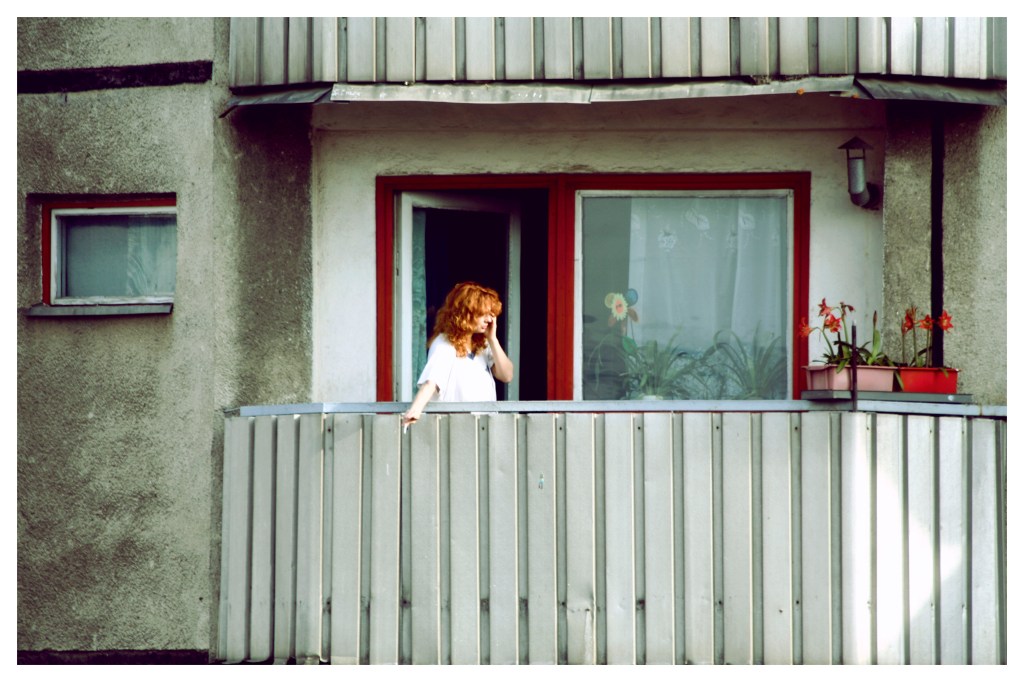
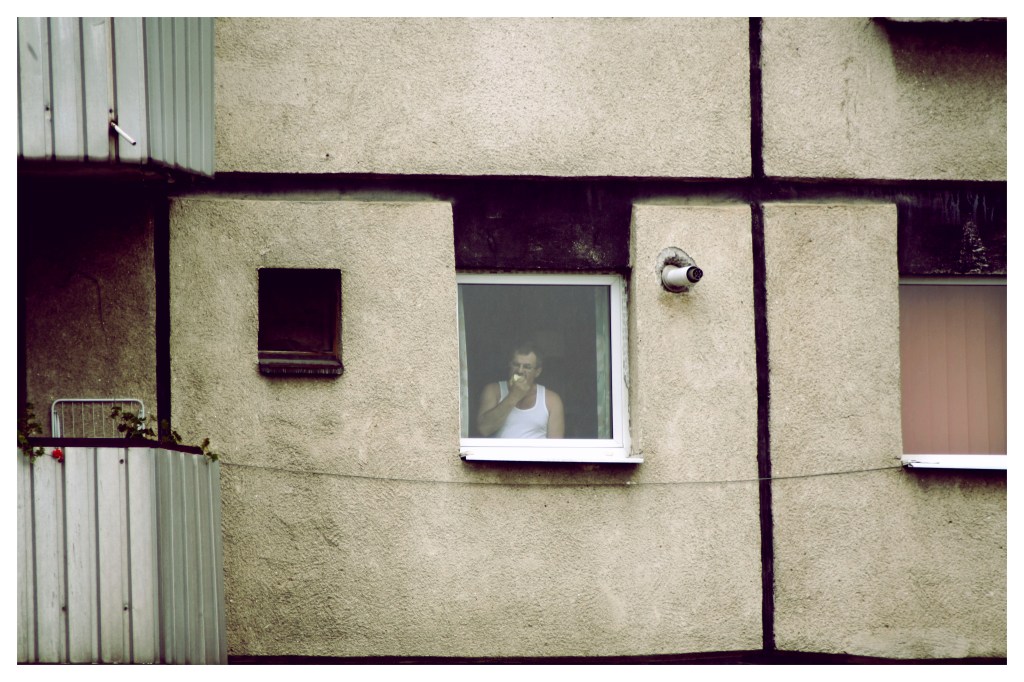
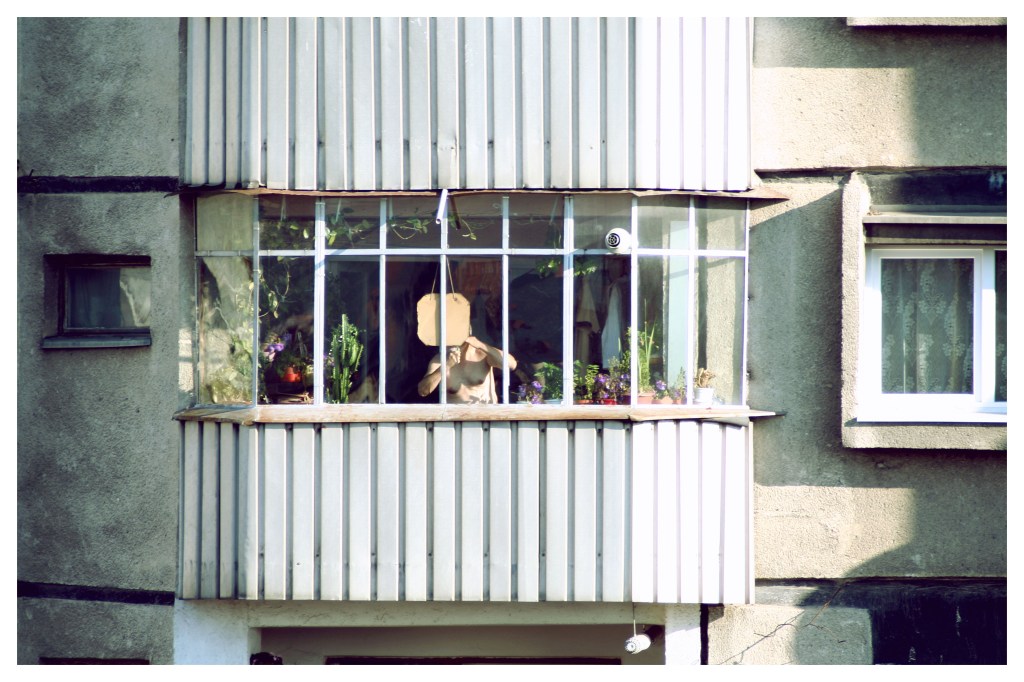
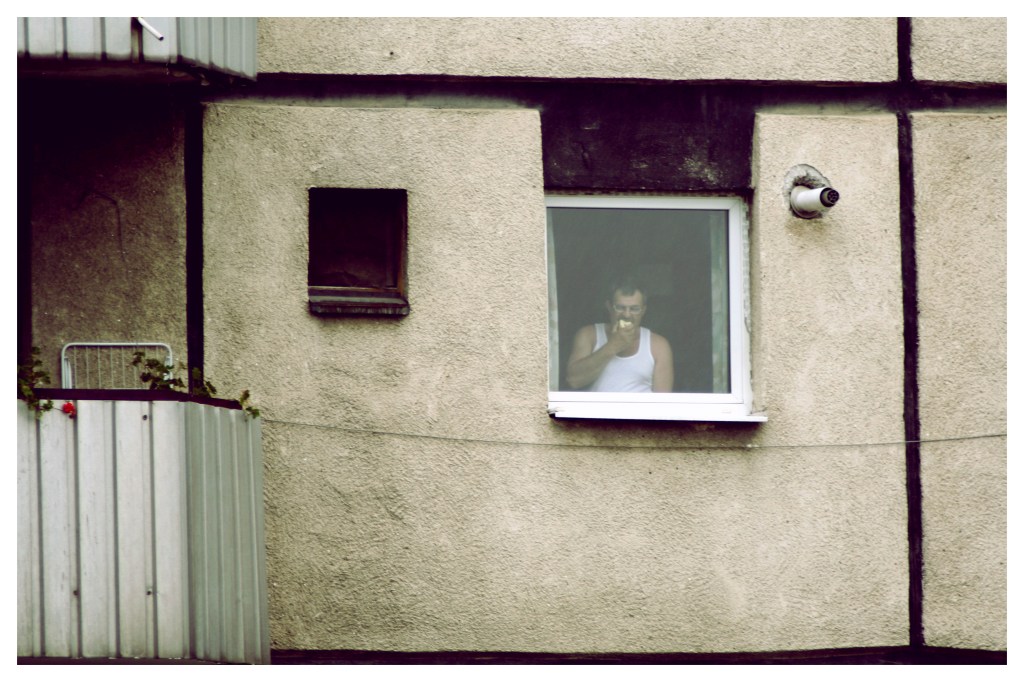
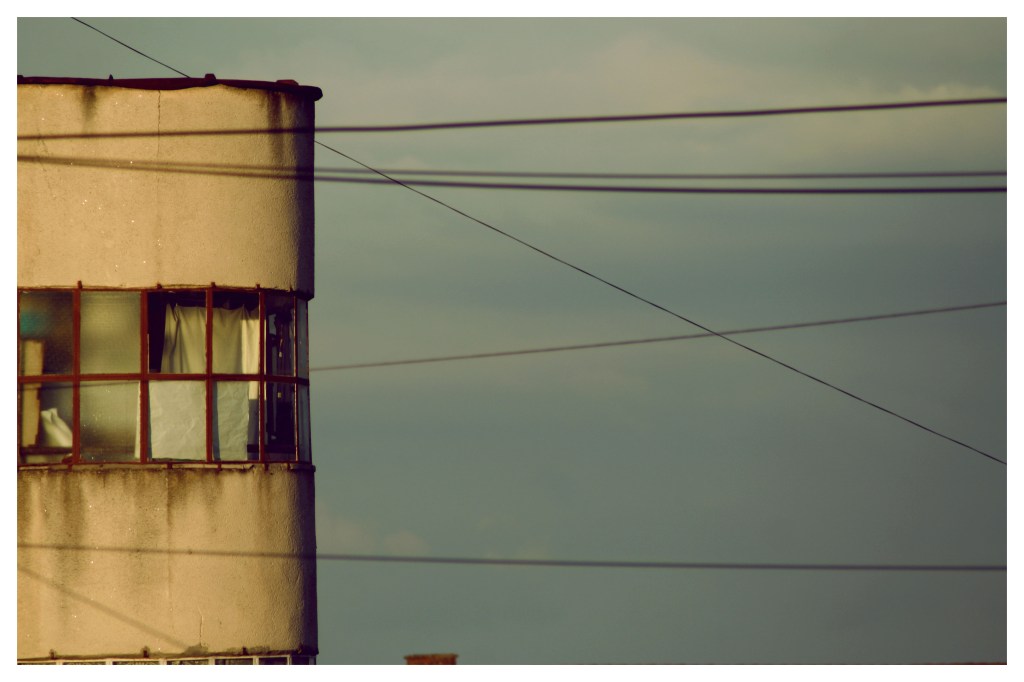
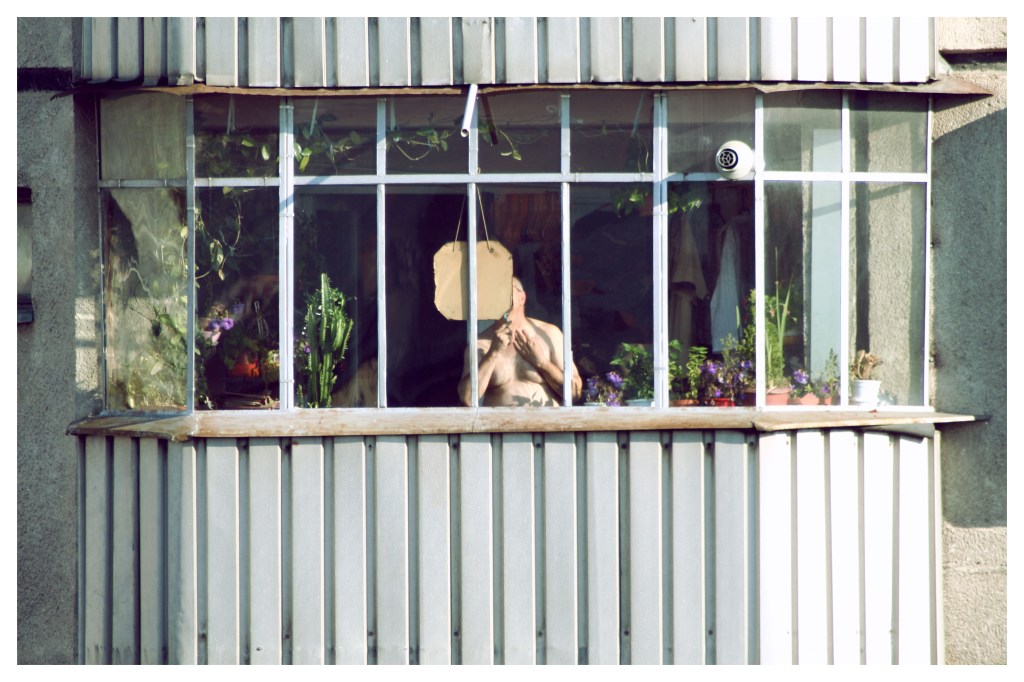
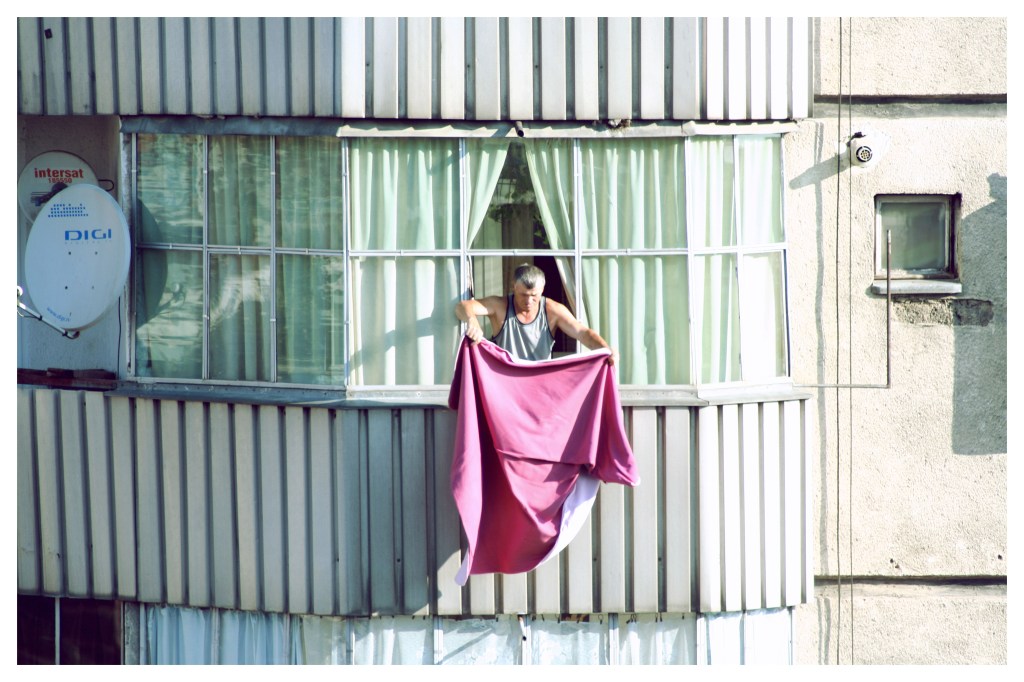
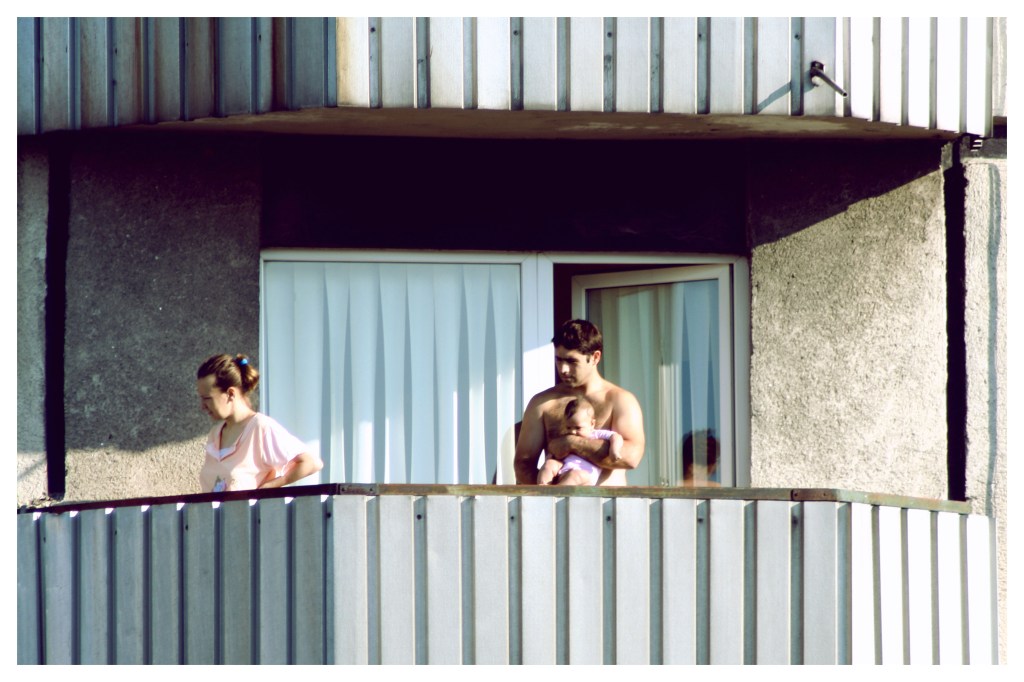
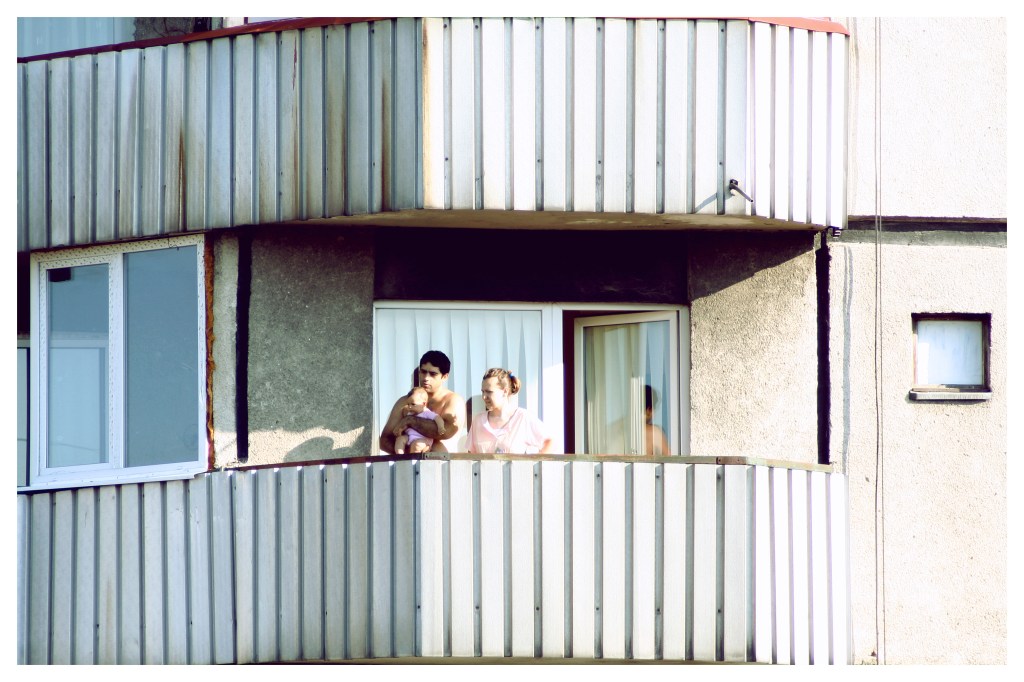
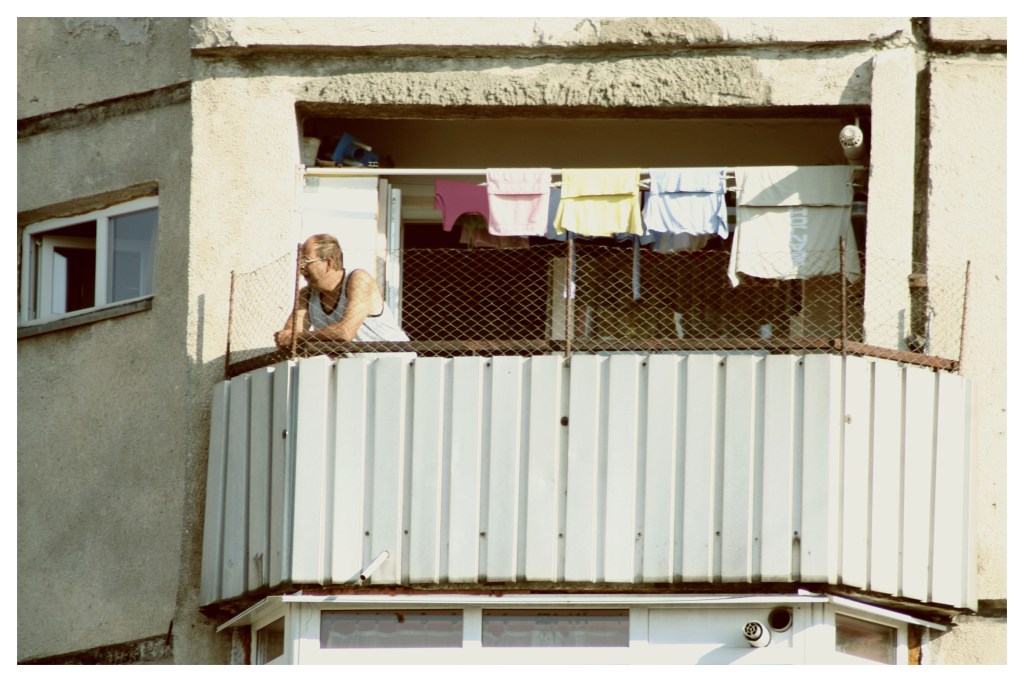
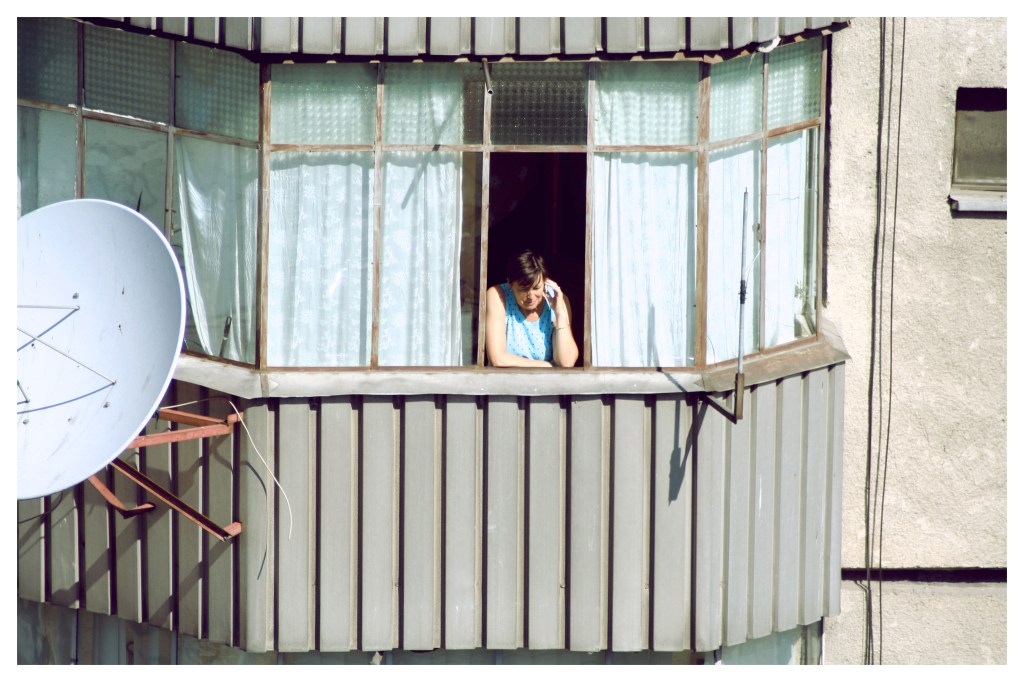
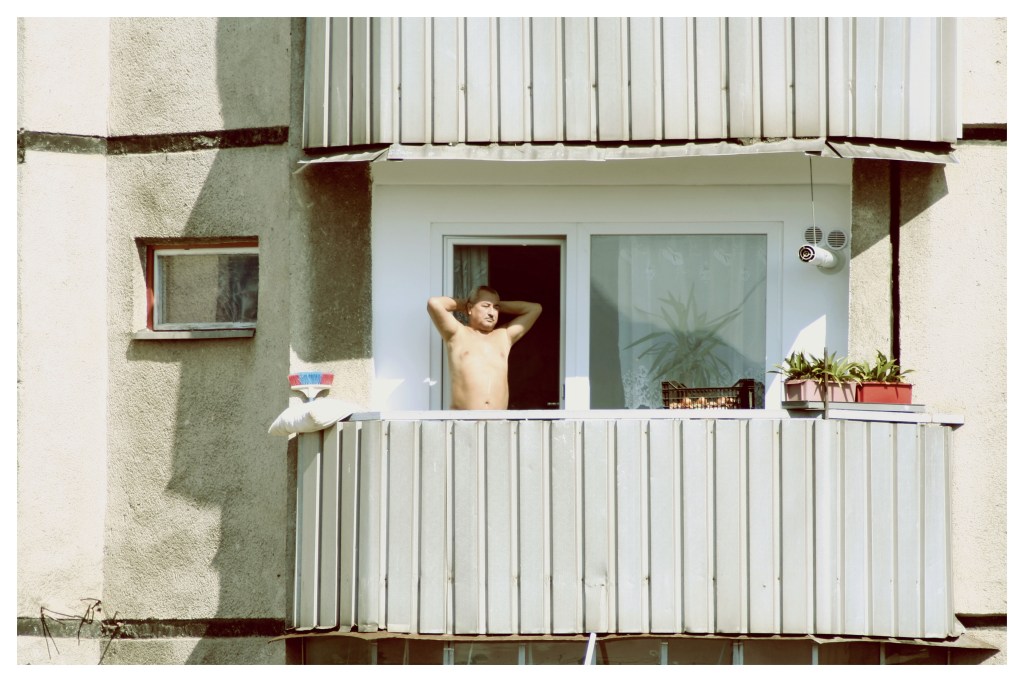
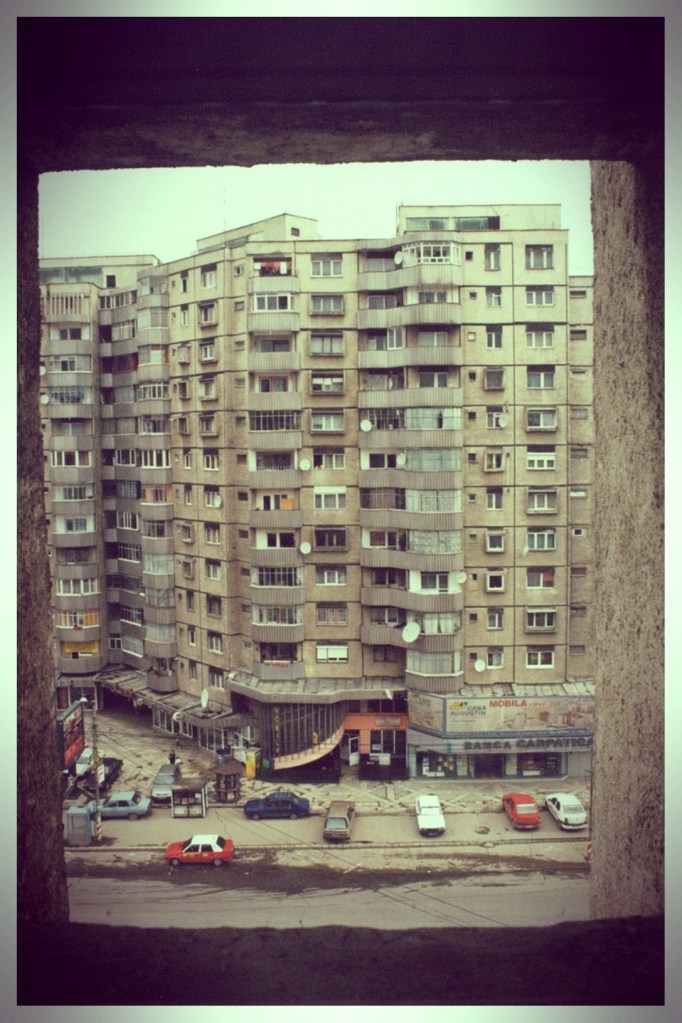
Home(s) began in 2013 as an attempt to properly look at something I’d grown up inside without ever really seeing: the communist-era prefabricated housing blocks that make up so much of Cluj-Napoca, and so much of Eastern Europe. Identical concrete towers, built fast and cheap for a population that needed housing, now decades old — weathered, repainted, extended, argued over, lived in. I shoot it all on medium-format 120 film (6×6) and 35mm, across more than twenty analog cameras, scanning every negative myself. It’s slow, deliberate work, which feels like the right way to document buildings that were built as fast as possible.
The oldest chapter still standing in the archive is Oameni și (b)locuri — roughly, “People and (B)locks,” a small pun that hides the Romanian word for the buildings themselves (blocuri) inside the word for “places” (locuri). I shot it in a single ten-story block in Cluj-Napoca, and in 2018 it went on tour — under the pseudonym Alex Andru — as part of a group exhibition called Emerging Photographers, moving through Cluj-Napoca in March and April, Bucharest in May and June, Iași in July and August, and Timișoara in September and October. Four cities, eight months, one building. It was the point where the project stopped being a collection of frames and became something closer to a method.
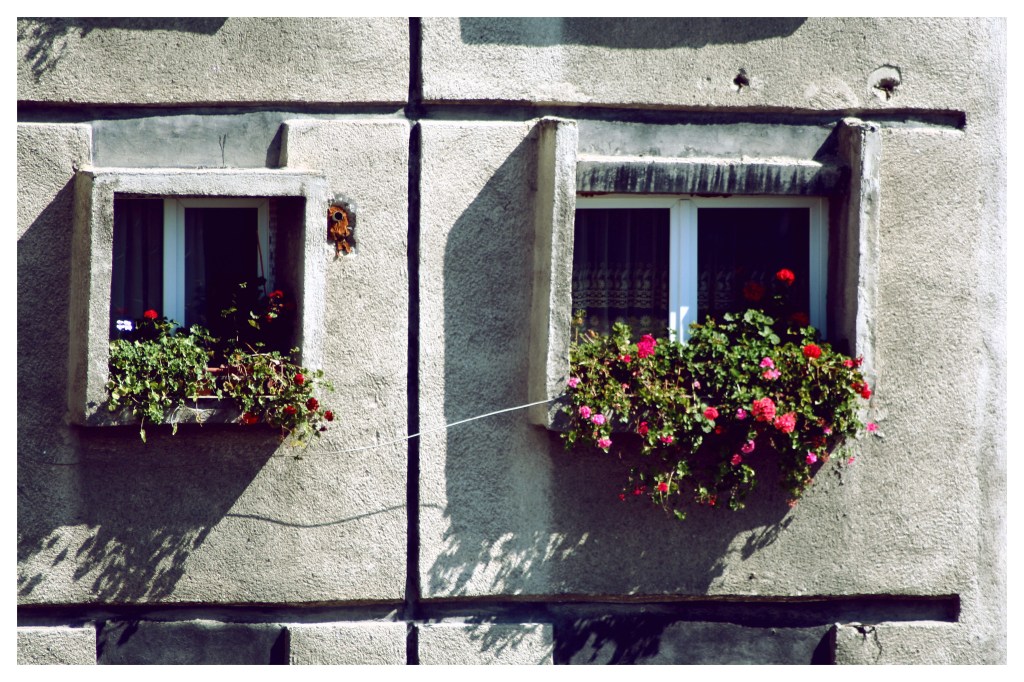
What keeps me returning to this material is the tension at its center: the contrast between standardized, imposed architecture and the intensely personal, varied lives that unfold behind identical doors. These blocks were designed to erase individuality. They didn’t succeed. That’s the real subject of Home(s) — memory, identity, and what “home” means when the walls around you were never meant to be yours in particular. It’s a Romanian story, but I don’t think it belongs only to Romania. Anyone who has lived in collective housing, migrated between countries, or watched a familiar place get transformed will recognize something in it.
Photoville’s audience is largely American, and mostly unfamiliar with Cluj-Napoca or the history carried in these buildings. That’s exactly the audience I want this work in front of.
[Exhibition name and exact dates — add once Photoville confirms them.]
More of the series lives on the Photography page — I’ll keep it updated as the 2027 details are confirmed.
View the Home(s) series →


Leave a Reply